UK Gambling Licensing & Regulation Guide 2026
Guidance to licensing authorities Part 17: Casinos
Do you think premises should adopt voluntary test purchasing as a way to monitor under-18s activity on Category D ‘cash-out’ slot-style machines? Further research finds evidence that there is a correlation between the recollection of playing Category D machines in childhood and adult disordered gambling, although causation cannot be shown. Bacta, which represents the amusement and gaming machine industry in the UK, have an existing voluntary commitment for their members to ban all under-18s from playing Category D ‘cash-out’ machines. Granular data is not available on how many of these are ‘cash-out’ slot-style machines, which are in scope of this measure. We propose therefore that these machines are allowed to stay in unrestricted areas in licensed and unlicensed FECs, and other premises including but not limited to pubs and travelling fairs.

Only 4 of the 8 Small casino licences have been developed, one has since closed, and none offer the maximum allowance of 80 gaming machines as it would be impractical to site the necessary tables. Depending on the type of casino licence an operator holds, they are able to site a different number of gaming machines, and may be bound by other restrictions including a maximum machine-to-table ratio and limitations on their size and non-gambling area. We do not see this as being an issue for operators or manufacturers as it is already widely available on Category B gaming machines within all land-based gambling premises.

UK Gambling Licensing & Regulation Guide 2026

Casinos in the UK are generally operated under historic licences that were rolled forward under the “new” Gambling Act 2005. Gambling operators are subject to the advertising regulations of the UK Advertising Standards Authority and the industry of the British “Industry Group for Responsible Gambling”. The LCCP imposes extensive obligations upon licensees in, amongst others, the fields of social responsibility, anti-money laundering and the prevention of terrorist financing, consumer fairness and transparency, responsible advertising and obligations to comply with various technical standards that apply in respect of both non-remote and remote forms of gambling. Originally the Gambling Act 2005 applied only to those persons who had a physical connection with Great Britain; for example, land-based gambling businesses located in Great Britain or items of remote gambling equipment located in Great Britain. GamingCasino gaming (including slots and casino table games such as roulette & blackjack)The Gambling Commission of Great Britain (“Gambling Commission”).The Gambling Commission (for Operating Licences). In January 2020, the Gambling Commission approved several organisations for these compulsory funding contributions, ensuring that operators direct their financial support to recognised entities working to mitigate gambling harms.
This may include increasing staff numbers, with one licensing authority stating that it would consider dedicating one full-time resource to the enforcement of licensed premises. The majority of licensing authorities advocated for the maximum proposed premises fee increase of 30%. Following analysis, we propose to increase the maximum premises fees chargeable by licensing authorities by 15%.
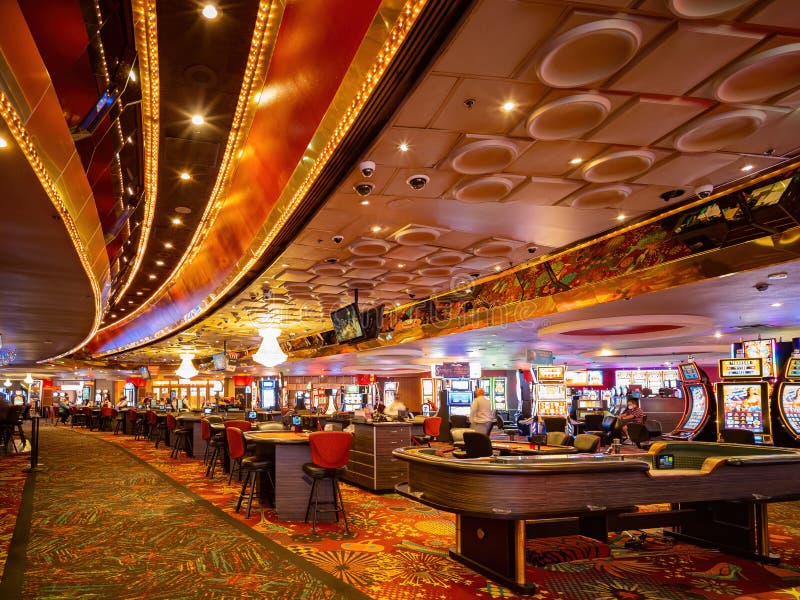
Progress with plans to kick unlicensed gambling operators out of football has stalled since February, when the Department for Culture, Media and Sport (DCMS) said a review would begin in the spring. Read the casinos section of the VOA’s rating manual on GOV.UK (opens in new tab). The Valuation Office Agency (VOA) has more information about 1968 Act casinos, including the legal framework. New casinos under the Gambling Act 2005 (opens in new tab) are restricted to the following areas. If you wish to operate a casino premises which was originally granted permissions under the Gaming Act 1968, and which converted under the ‘grandfathering’ arrangements of the Gambling Act 2005, you should contact us to find out what you need to do. For example, it will allow you to supply gambling software via methods of secure file transmission or to make gambling software available for download by operators from your server.
Premises Licences

The consultation asked the following questions on ‘cash-out’ Category D slot-style machines. However, we will not mandate that these machines be moved into age-restricted areas as we do not believe that it is proportionate, considering the lower risk posed by these types of machines. However, there was some disagreement over some of the additional proposals that we set out in the consultation aimed at preventing those under 18 from using these machines. However, as set out in the white paper, there are concerns that ‘cash-out’ slot-style machines share similarities with higher stake machines, restricted for adults. Currently, both types of slot-style machines can legally be played by under-18s.
This will help ensure that operators are operating within the regulations and enable licensing authorities to undertake appropriate licence checks. In order to include SSBTs as part of a sportsbook offering, casinos would be required to apply for a remote general betting standard real events licence. As referenced in our response to the ‘Gaming machine allowance for 1968 Act casinos’ section, we acknowledge concerns from stakeholders about the necessity of a table gaming area requirement given the sliding scale includes a specified number of tables. Despite indications from operators that there would not be appetite to site more than 80 machines in a single location, we want to ensure that this is not a possibility, removing the risk that these casinos could site more machines than a Small or even Large 2005 Act casino. Gaming machines must also have suitable characteristics to mitigate against the risk of gambling-related harm, and these characteristics will be in place for any additional gaming machines.
So you must tell us the date you plan to start trading (this will be a condition of your licence, if granted). If your casino is not operational, then subsequent annual fees will be reduced by 50 percent. Subsequent annual fees are due every year before the anniversary of the day your licence was issued. You can offer any of the games listed in our types and rules of casino games at a large casino.
Follow these steps to confirm an operator holds a valid UKGC licence If you encounter an unlicensed gambling site targeting UK consumers, you may report it directly to the Gambling Commission. Always verify an operator’s licence before depositing funds. Unlicensed operators are illegal in Great Britain and offer no consumer protection. Note that Northern Ireland has separate gambling legislation and is not within the Commission’s jurisdiction.
Applicants for an operating licence are asked about their policies for ensuring that the licensing objectives will be adhered to. For operating licences this will include the resources likely to be available to carry out the licensed activities and the legitimacy of the source of the capital and revenue finance of the operation. Accordingly, the Commission will not normally grant operating licences involving such products. All UK licensed online casinos and sportsbooks are mandated to perform anti-money laundering checks, and mental and financial welfare checks on their customers. In general, it is illegal for the holder of a licence to sell alcohol to facilitate betting on the premises.
This does not prevent the licensing authority imposing conditions on such matters under section 169, subject to any mandatory conditions which the Secretary of State may prescribe under section 167. Provision of facilities for bingo may not be made in a small casino, but the Secretary of State has power to repeal this restriction by order. The regulations will determine whether the banks of terminals count as a table in their own right.
It is also worth noting that, in recent months, the Gambling Commission issued an “Industry Warning Notice” to those B2B operators that it has licensed after observing that certain games developed by such licensees appear accessible to British consumers on B2C websites that are not licensed by the Commission. More generally, the Commission is known to issue cease and desist letters, carry out test purchasing, take steps to disrupt payment flows and engaging with search engines to prevent URLs belonging to unlicensed operators appearing in search results. For instance, the Commission has demonstrated a willingness to initially engage with those that operate (without a licence) offerings that have hints of licensable products before requesting that such entity either apply for and obtain a licence or prevent consumers in Great Britain from accessing such offering, whilst making clear that to continue doing so may amount to an offence under the Gambling Act 2005. The British regulatory authorities have taken something of a global lead in the enforcement of regulation, particularly in relation to “source of wealth” and “proceeds of crime” omissions and also failures in social responsibility obligations owed by operators to players.
Ability to comply with the regulatory responsibilities, uphold the licensing objectives and work cooperatively with the Commission. Willingness to comply with regulatory responsibilities, uphold the licensing objectives and work cooperatively with the Commission. Products which are or may also fall to be regulated by other regulators, for example under the Financial Services and Markets Act 2000 (opens in new tab), create the risk of uncertainty as to where the regulatory responsibility may lie, so risking harm to the second and third licensing objectives.
Always check both of these numbers when choosing a casino. The payout rate is basically how much of your wagered cash you’ll get back from a casino over time. The RTP (Return to Player) and payout rate can tell you a lot about how player-friendly a casino is. UK casino guidance built around practical checks, not headline hype.
The licence holder does not have to take any action other than make sure it adjusts its operation to deliver the changes included in the Gambling Act 2005 (Gaming Tables in Casinos) (Definitions) (Amendment) Regulations 2025 (opens in new tab). An existing licensed 1968 Act casino operator wishes to make use of the new Regulations to provide SSBT facilities in its casino. The operator can do so without having to make an application to vary its OL (given that betting facilities are permitted by Regulation).
You can offer any of the games listed in our types and rules of casino games at a small casino. The flat additional annual fee payable for a licence that combines all three of these activities is £9.375. The flat additional annual fee payable for a licence that combines all three of these activities is £7,500.
As outlined in the consultation, the fees payable for gaming machine notifications and gaming machine permits are not in scope of this review. We will keep the 15% increase in fees under review to ensure that its impact is proportionate both to the funding requirements of licensing authorities and the financial pressures placed on operators. We believe this is particularly important within the wider context of the modernising measures we are taking to support land-based gambling operators.

Verify the licence is current and matches the casino’s trading name All UKGC-licensed casinos must now prompt new customers to set non gamstop casinos deposit limits during the account registration process. However, the UKGC licence also provides access to one of the world’s largest regulated gambling markets and carries a level of credibility that few other jurisdictions can match. For operators seeking to access the UK market, the UKGC licence is a prerequisite. For a remote casino operator with GGY above £1 billion, the annual fee is £793,729 plus £125,000 for each complete additional £500 million of GGY above £1 billion.
- Non-remote linked licences gaming machine technical
- Real players know that gambling should be fun.
- Other use of premises to legally provide gambling facilities, such as authorisations for alcohol licensed premises, clubs and miners’ welfare institutions, and family entertainment centres (for those with Category D gaming machines only), do not need a premises licence.
- We offer an array of resources to help you filter through all UK online casino from one sole list.
Some UK-licensed casinos, such as Mr Vegas, now host over 7,750 games. This is not only great for players, but it also gives our experts plenty of casino sites to compare, plus a wide variety of options with different strengths we can recommend to you. The UK’s online casino market is open and liberal compared to other countries. Our extensive database allows us to make fact-based decisions and to offer you the best options.
It is recommended that applicants make clear what changes are to be made to the layout and content of the gambling offer. If those changes are made in the future, then operators would be able to access these provisions after they come into effect. A licensed casino operator in Scotland wishes to take advantage of the new entitlements. Regulation 3 of the Gambling Act 2005 (Mandatory and Default Conditions) (England and Wales) Regulations 2007 (opens in new tab) requires the layout of the premises to be maintained in accordance with the plan. A range of gambling activities are already authorised by the Act, by existing Regulations and some are further added by the new Regulations which came into force on 22 July 2025.
(a)the non-gambling area may consist of one or more areas within the premises, In this Part, where premises are required to contain a non-gambling area— In this Part, in determining the floor area of the gambling area of premises, all areas in which facilities for gambling are provided on the premises must be taken into account.
The government understands some of the arguments put forward by industry, particularly about the potential impact on player behaviour if net position and time was permanently on display on the machine. They also argued that it is an invasion of a customer’s privacy and that many people would not be comfortable with other players knowing how much they have spent and how long they have played on a machine for. This will ensure that the breaks designed to allow customers to make more informed or dispassionate decisions about their gambling are supplemented by safer gambling messaging and not used for any other purposes, such as promotional offers. This research recommended that the use of personalised messaging based on an individual’s own patterns of gambling may be more effective than generic messages. Others cited research which has been undertaken on safer gambling messaging, including from the Behavioural Insights Team and the Personal Finance Research Centre (University of Bristol). Some respondents from outside of industry stated that safer gambling messages should be designed independently of industry and that some of the existing industry-led safer gambling messages are ineffective.